
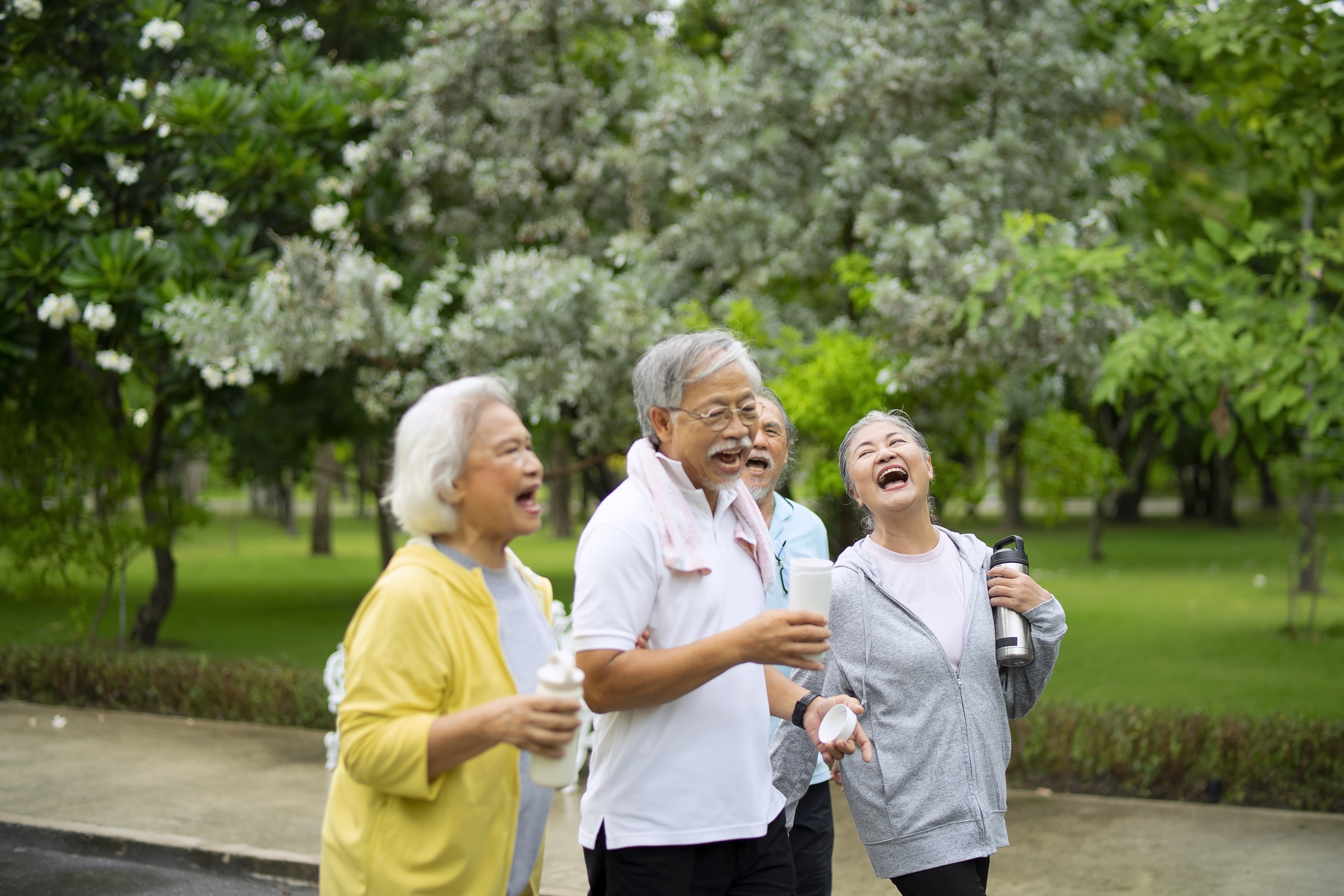
Loma Linda, California, is one of only five recognized Blue Zones in the world. Blue zones are places where people tend to live longer and enjoy better health as they age.1 Unlike many Blue Zones found in rural or isolated regions, Loma Linda is a suburban Southern California community where health and longevity are shaped less by geography and more by daily lifestyle choices.1 These include regular physical activity, strong social connections, plant-based eating, and setting aside time each week for rest and reflection, practices commonly embraced within the Seventh-day Adventist community.2 While these habits are well known for supporting heart health and long life, we were also interested in whether they might be linked to better oral health and overall quality of life.
Healthy Habits Go Beyond the Body
Oral health is often overlooked when we talk about overall wellness. Yet our ability to eat comfortably, speak clearly, smile confidently, and enjoy social interactions all depend on a healthy mouth. Oral health also affects how we feel about ourselves and how connected we feel to others. To better understand this connection, we surveyed adult residents living in Loma Linda. Participants answered questions about their daily habits, such as exercise, diet, social activities, and volunteering, as well as how their oral health affected their daily lives. We used a well-established questionnaire that measures how oral health impacts comfort, function, and social and emotional well-being.
A Community Rooted in Connection
The results reflected what many people already sense about Loma Linda: it is a community built on connection. Nearly all participants reported spending regular time with friends, making this one of the most common and consistent habits. Many also reported eating mostly plant-based foods and drinking plenty of water. Overall, residents reported relatively few oral health problems affecting their quality of life. In fact, oral health related quality of life in this group was better than what has been reported in many other communities across California and the United States.3 Two lifestyle habits stood out in particular. Regular physical activity was strongly linked to better oral health and fewer daily impacts from oral problems. Exercise supports circulation, reduces inflammation, and improves overall health, which may also benefit the mouth. Nut consumption was also associated with better oral health experiences. Nuts are a common snack in Blue Zone communities and provide healthy fats, fiber, and important nutrients. While no single food guarantees good oral health, small dietary choices can add up over time.1
Not Everyone Benefits the Same Way
While the overall picture was positive, the study also revealed differences within the community. Asian participants reported more oral health challenges affecting daily life compared to White participants.1 This finding reminds us that even in health-focused communities, experiences can vary based on cultural, social, and access related factors. These differences highlight the importance of inclusive and culturally responsive health education. Healthy environments matter, but intentional efforts are needed to ensure everyone benefits equally.
Oral Health as Part of Whole Person Wellness
Oral health is often treated separately from the rest of the body, but our findings suggest it should be part of the bigger wellness conversation. A healthy mouth supports good nutrition, confidence, communication, and social participation. At the same time, healthy daily habits support both oral and overall health. Loma Linda’s Blue Zone offers a powerful example of how lifestyle, community, and health are connected. While no community is perfect, the patterns seen here provide valuable lessons for other cities and neighborhoods looking to promote long term well-being. By recognizing oral health as part of whole person health, we can move closer to a future where living longer also means living better.
What You Can Do
You do not need to live in a Blue Zone to benefit from its lessons. Small, everyday choices can make a difference.
- Stay active. Regular movement supports both your body and your oral health.
- Eat mindfully. Choose more plant-based foods and limit highly processed snacks when possible.
- Snack smart. Nuts can be a satisfying and nutritious option.
- Stay connected. Make time for friends, family, and community activities.
- Take care of your smile. Brush, floss, and keep up with regular dental visits.
- Talk about wellness. Ask your health and dental providers how daily habits affect your overall health.
Loma Linda’s experience reminds us that health is not just about living longer; it is about living well, together.
This blog is based on findings from a peer-reviewed study conducted by researchers at Loma Linda University School of Dentistry.1
Author Bio
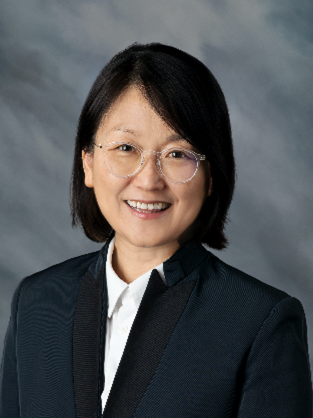
So Ran Kwon, DDS, MS, PhD, MS
Dr. Kwon is Professor in the Division of General Dentistry and Director of the Student Research Program at Loma Linda University School of Dentistry. She is a fellow of the American Board of Operative Dentistry. Her work explores how lifestyle affects oral and overall health and how oral health care providers can play a key role in preventing one of the major oral diseases–dental caries.
Dr. Kwon is Professor in the Division of General Dentistry and Director of the Student Research Program at Loma Linda University School of Dentistry. She is a fellow of the American Board of Operative Dentistry. Her work explores how lifestyle affects oral and overall health and how oral health care providers can play a key role in preventing one of the major oral diseases–dental caries.
References:
- Akkidas J, Kaur A, Sood G, Taheri S, Ko J, Sulaiman R, Oyoyo U, Kwon S. Blue Zone Loma Linda: Assessing the Relationship Between Lifestyle and Oral Health. Am J Lifestyle Med. 2024 Nov 8:15598276241299376.
- Buettner D, Skemp S. Blue zones: lessons from the world’s longest lived. Am J Lifestyle Med. 2016;10(5):318-321.
- Kwon S, Lee S, Oyoyo U, Wiafe S, De Guia S, Pedersen C, Martinez K, Rivas J, Chavez D, Rogers T. Oral health knowledge and oral health related quality of life of older adults. Clin Exp Dent Res. 2021 Apr;7(2):211-218.